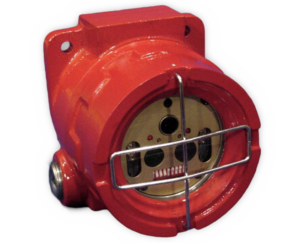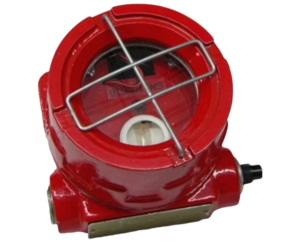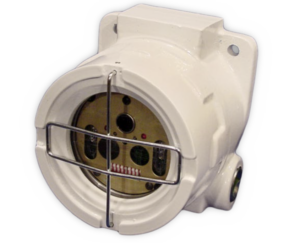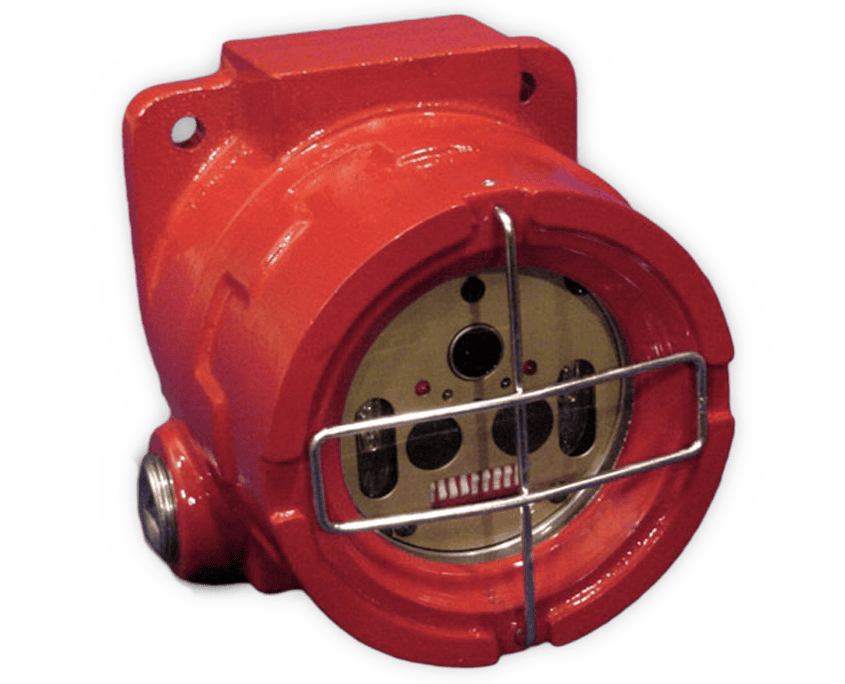
(RED1-420)
The 4-20 mA RED1
Explosion-proof flame detection with analog 4–20 mA output for simple compatibility.

(RED1-420)
Explosion-proof flame detection with analog 4–20 mA output for simple compatibility.
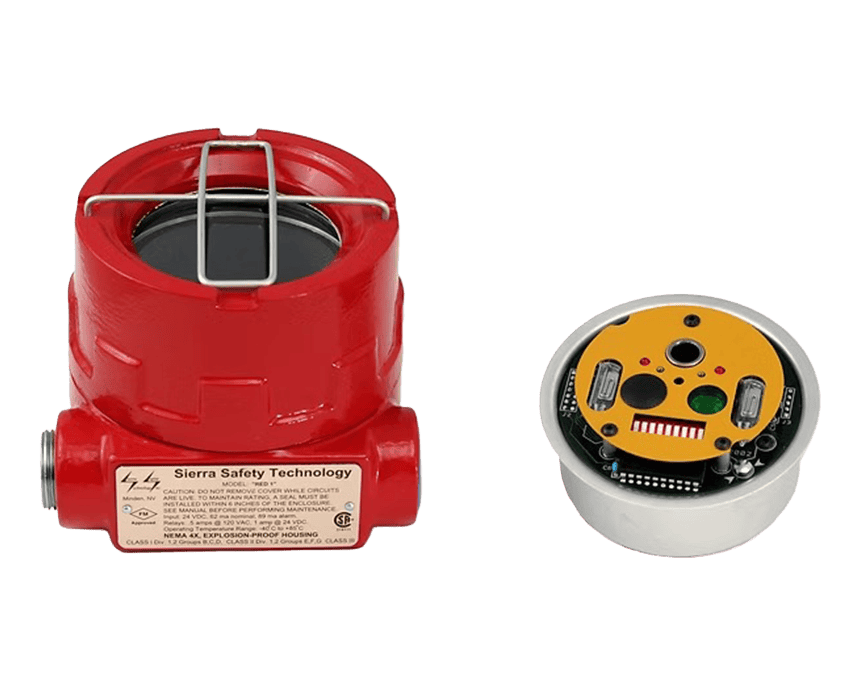
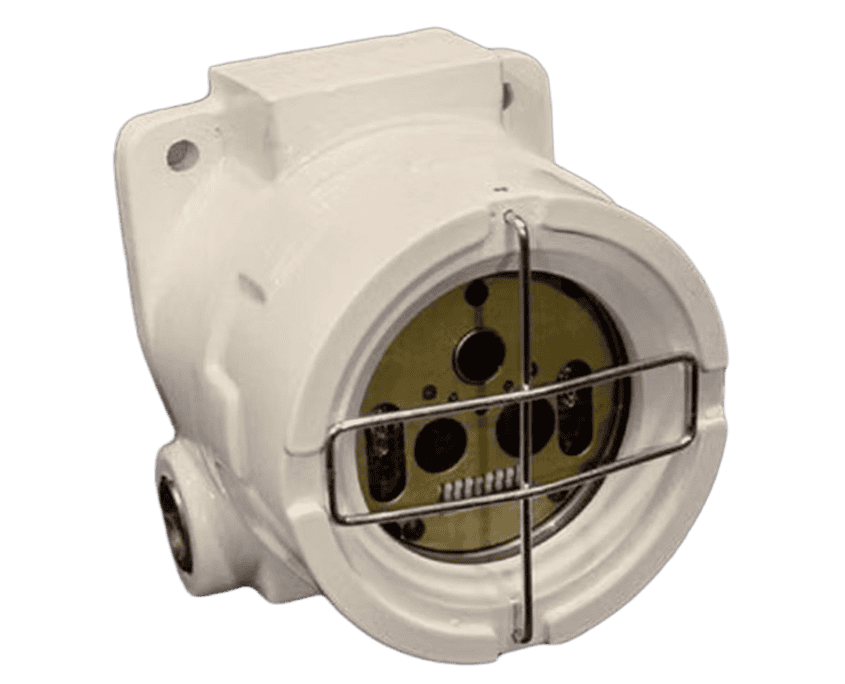
The RED1-420 replaces relay outputs with an industry-standard 4–20 mA current loop interface. Detection performance, optical self-test, and hazardous area approvals remain identical to the RED1 platform.
Output states: 0 mA (Fault), 4 mA (Normal), 12 mA (Fire), 20 mA (Verified Fire).
This configuration is selected when the control architecture is built around DCS or PLC analog inputs, when relay-to-analog signal converters need to be eliminated, or when retrofit and brownfield projects require direct loop compatibility.
If your project requires analog output or integration into a DCS or PLC-based system, Sierra can help confirm loop configuration and signaling compatibility.
Refineries, offshore platforms, and fuel handling operations requiring FM-approved explosion-proof detection in Class I hazardous locations.
Petrochemical processing plants with volatile organic compounds, high-temperature reactions, and strict compliance requirements.
Fabrication and process areas where rapid detection of specialty chemical fires supports facility-wide safety systems.
View available configurations, full product specifications, dimensions, and sensitivity ranges.
How does the 4–20 mA output work?
The RED1-420 uses a continuous current draw interface: 0 mA indicates Fault, 4 mA indicates Normal, 12 mA indicates Fire, and 20 mA indicates Verified Fire. There are no relay outputs on this model.
Does the RED1-420 include the Verify Fire function?
Yes. The Verify Fire function is configurable via DIP switch with seven levels of certainty, each adding approximately 5 seconds of delay. It can also be disabled or set to trigger in parallel with Fire Mode.
What systems is the RED1-420 designed to integrate with?
Any system that accepts 4–20 mA analog input: including distributed control systems (DCS), programmable logic controllers (PLC), legacy fire alarm panels, and plant-wide monitoring networks.
Can I use the RED1-420 as a direct replacement in a retrofit project?
Yes, provided the existing loop is configured for 4–20 mA input. The detector connects without additional signal converters or interface modules.
What is the operating temperature range?
Operating: −40°C to +85°C. Storage: −55°C to +110°C.
What mounting and wiring connections does the RED1-420 use?
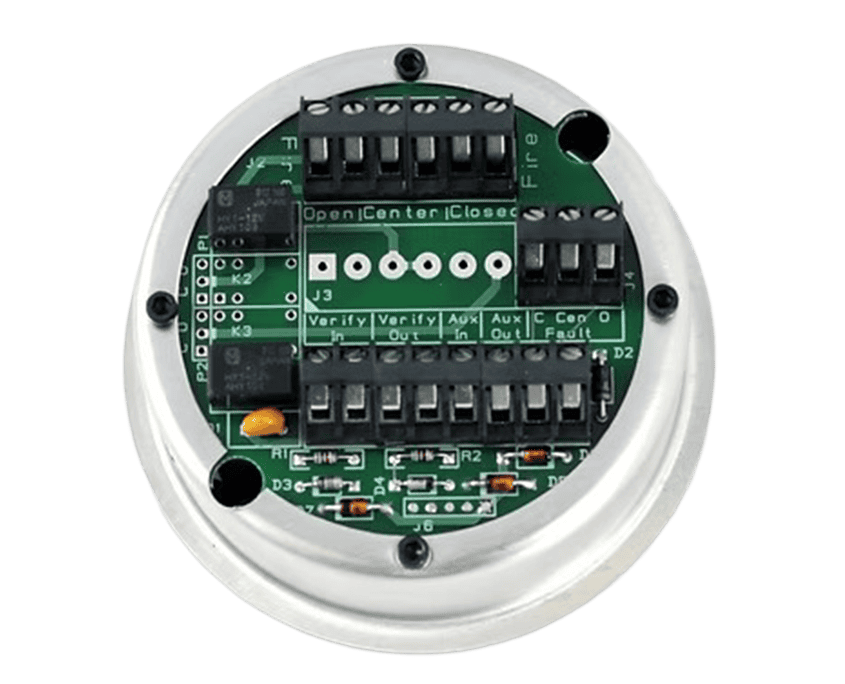
Two ¾-inch NPT feed-through hubs. Screw terminals accept 14–22 AWG wire. Dimensions are 5.4 × 4.8 × 3.7 inches (13.7 × 12.2 × 9.4 cm) at approximately 3 lbs.