(CFD1-T)
The Self-Test CFD1
Indoor optical flame detection with built-in verification for added operational confidence.

(CFD1-T)
Indoor optical flame detection with built-in verification for added operational confidence.
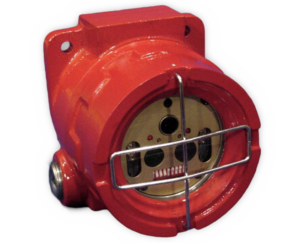
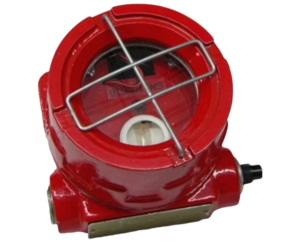
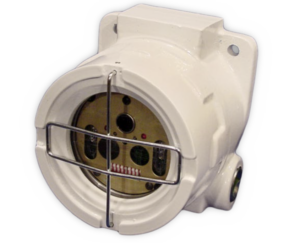
The CFD1-T adds automated optical self-test to the standard CFD platform. Detection performance, housing, and relay outputs are identical to the CFD1-S.
This configuration is selected when detectors are installed in locations with limited physical access, when scheduled manual testing is disruptive, or when facility specifications require ongoing automated verification of detector health.
If your project calls for indoor flame detection with automated verification, we can review the environment and confirm that the CFD1-T aligns with your system requirements.
Areas where flammable materials are present and detector access for manual testing is limited or disruptive.
Enclosed spaces where automated health verification reduces maintenance interruptions.
Indoor production areas within semiconductor, chemical, or oil & gas facilities where self-test supports ongoing compliance.
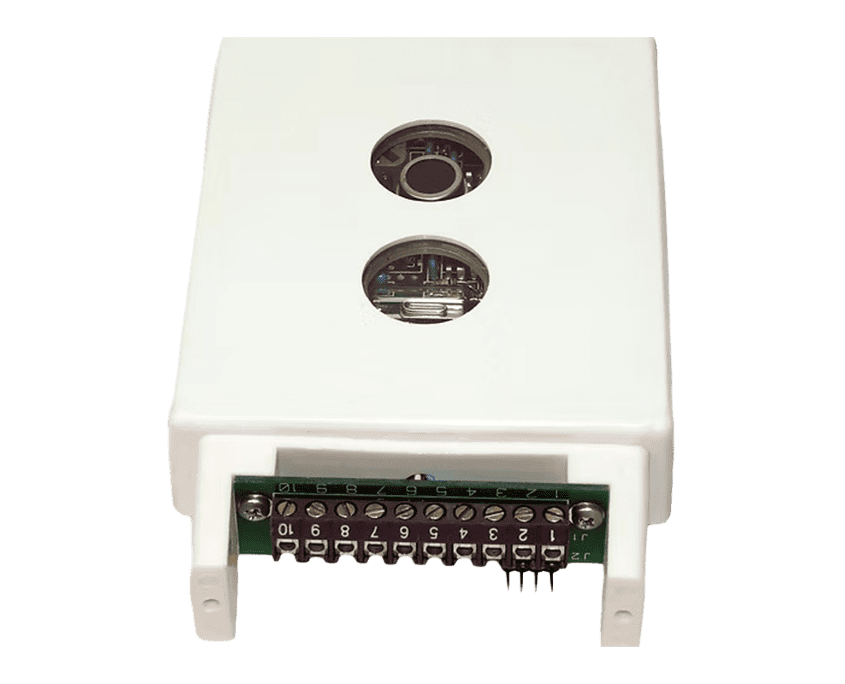
View full product specifications, wiring details, and installation guidance.
What is the difference between the CFD1-T and the CFD1-S?
The CFD1-T adds automated optical self-test. Detection performance, housing, relay outputs, and installation profile are identical to the CFD1-S.
Is the CFD1-T approved for hazardous locations?
No. The CFD1-T is designed for non-hazardous indoor environments. For classified hazardous areas, see the RED1 product line. For corrosive environments, see the DCR1 product line.
What does the self-test verify?
The self-test periodically checks sensor and optical window functionality. Internal diagnostics also monitor voltage, sensor health, relay integrity, and temperature.
Are there any user-adjustable settings?
No. The CFD1-T is factory configured with no DIP switches or field-adjustable parameters.
What is the operating temperature range?
Operating: −40°C to +85°C.
What are the relay output ratings?
1.0 A at 30 VDC resistive. Input voltage 12–32 VDC (typically 24 VDC).